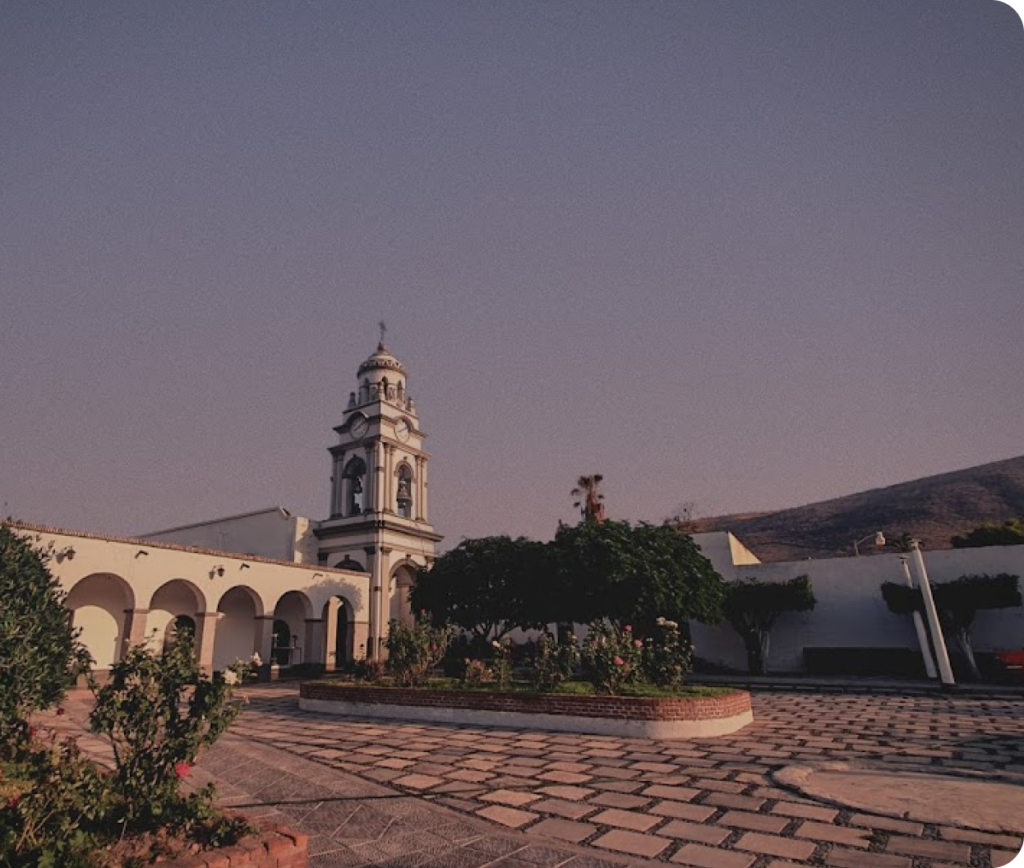
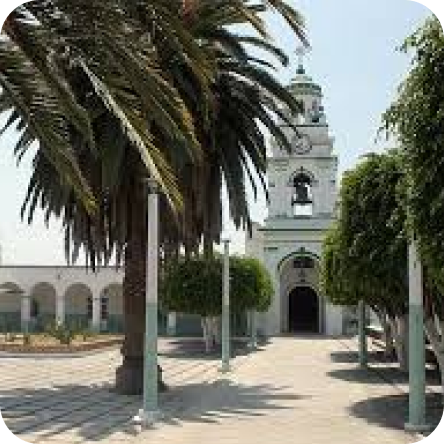
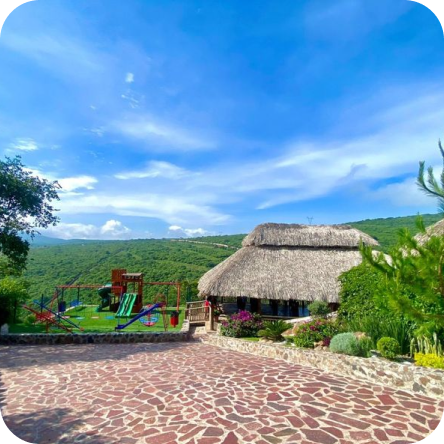
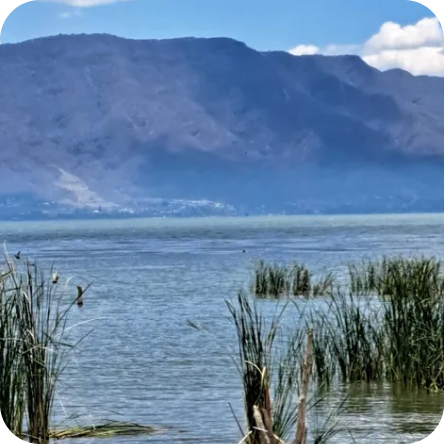
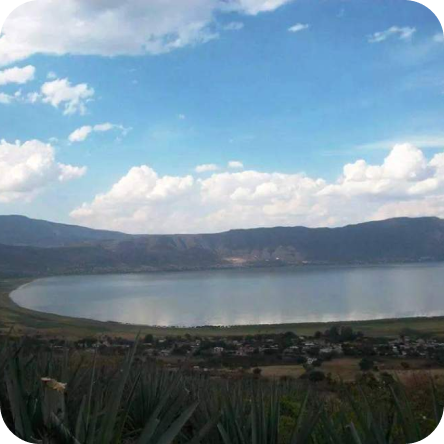
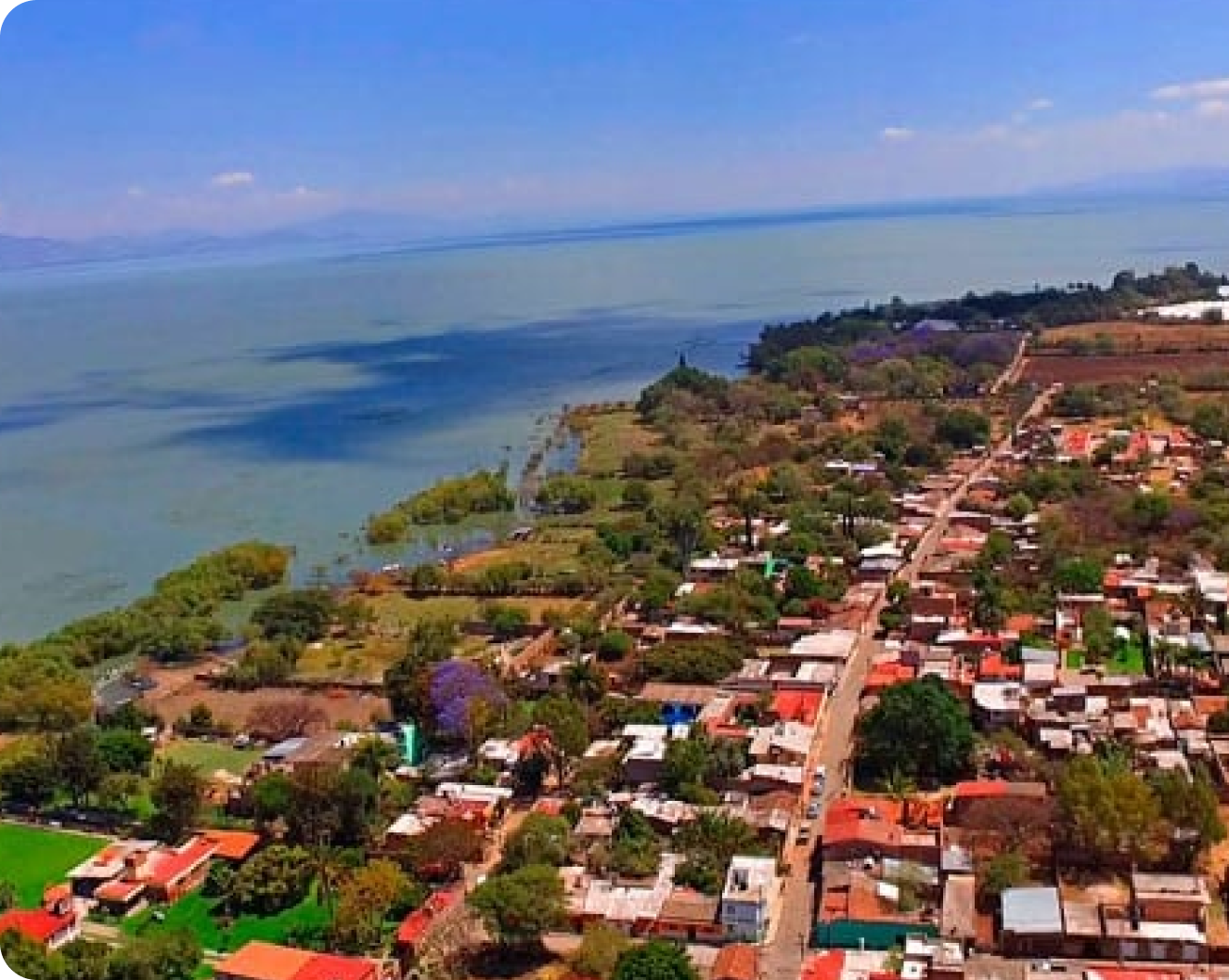
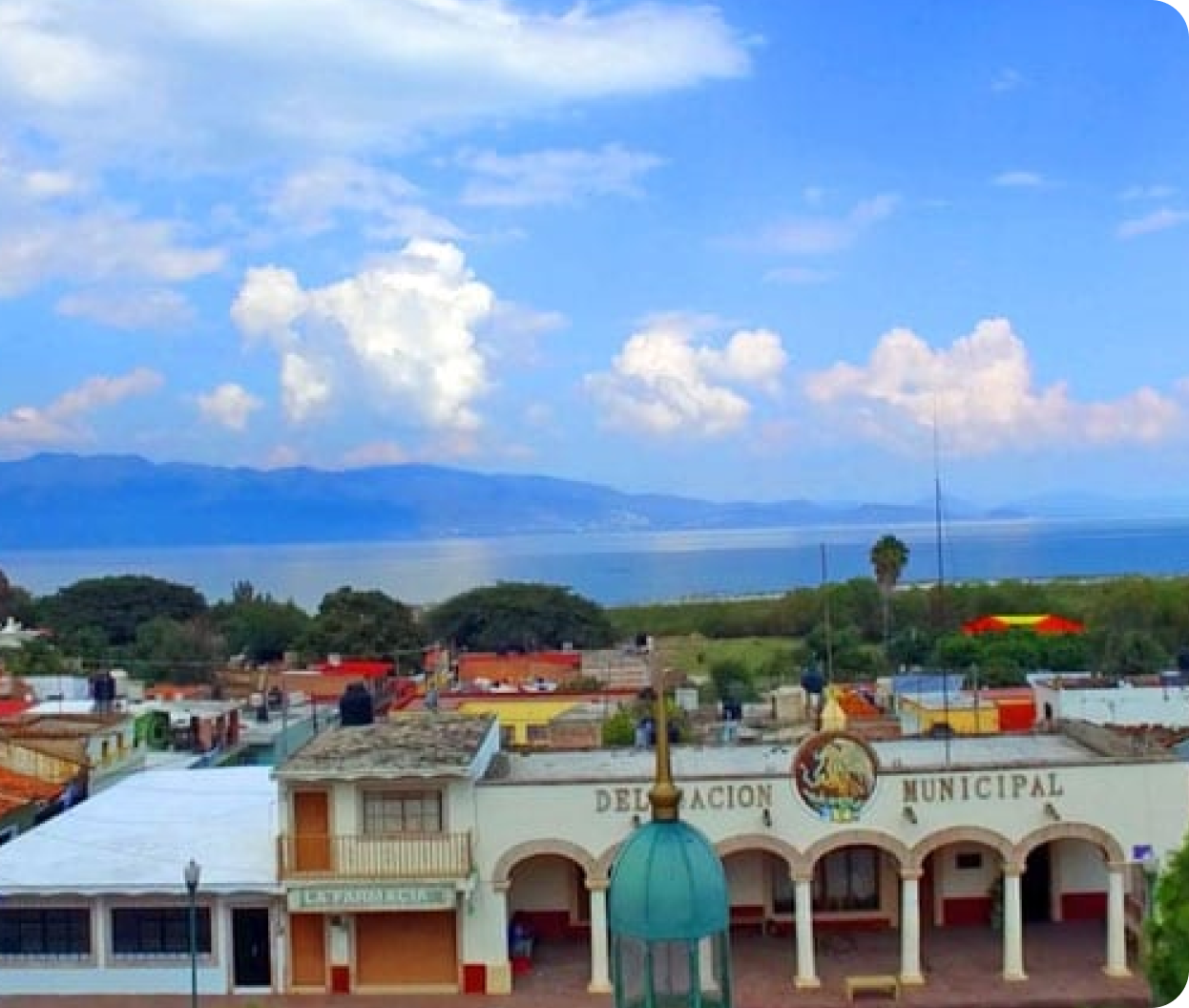
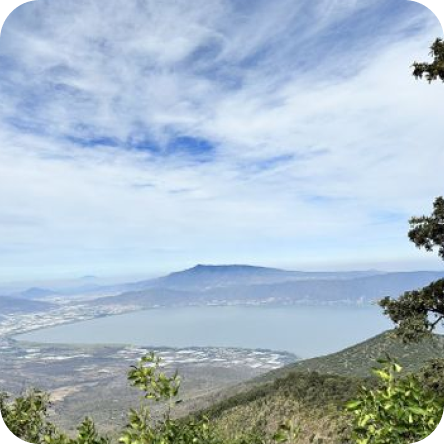
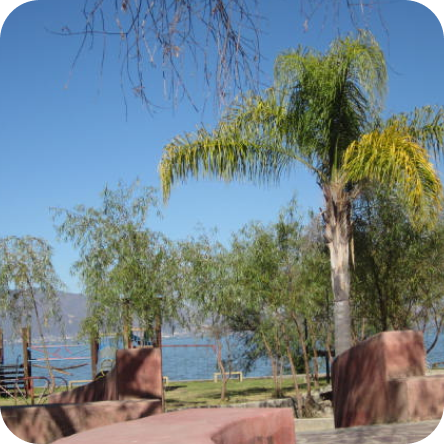
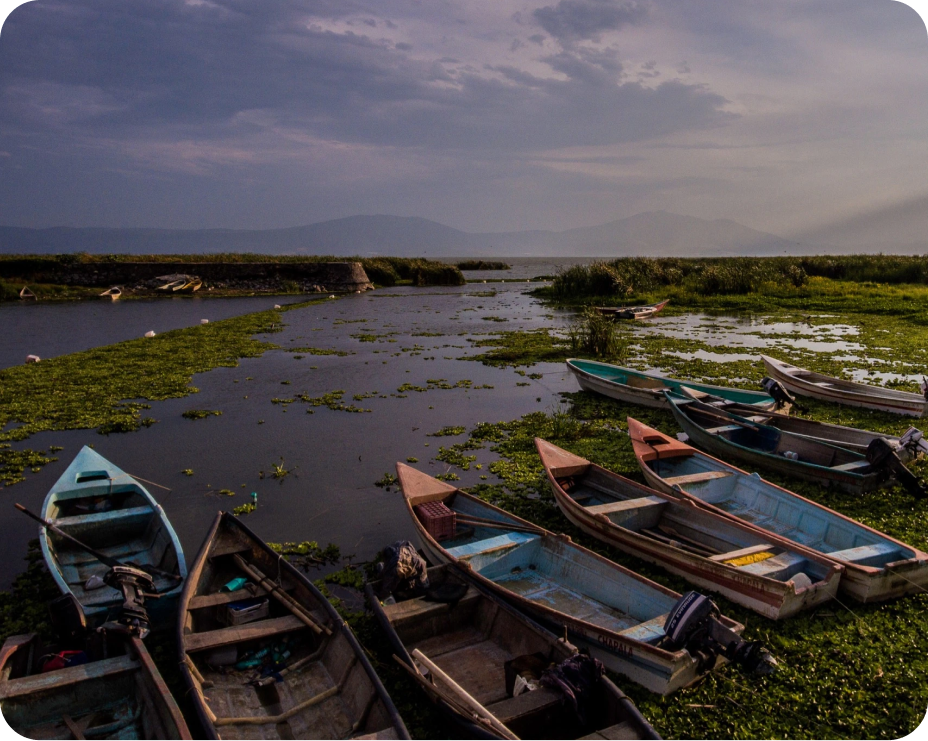
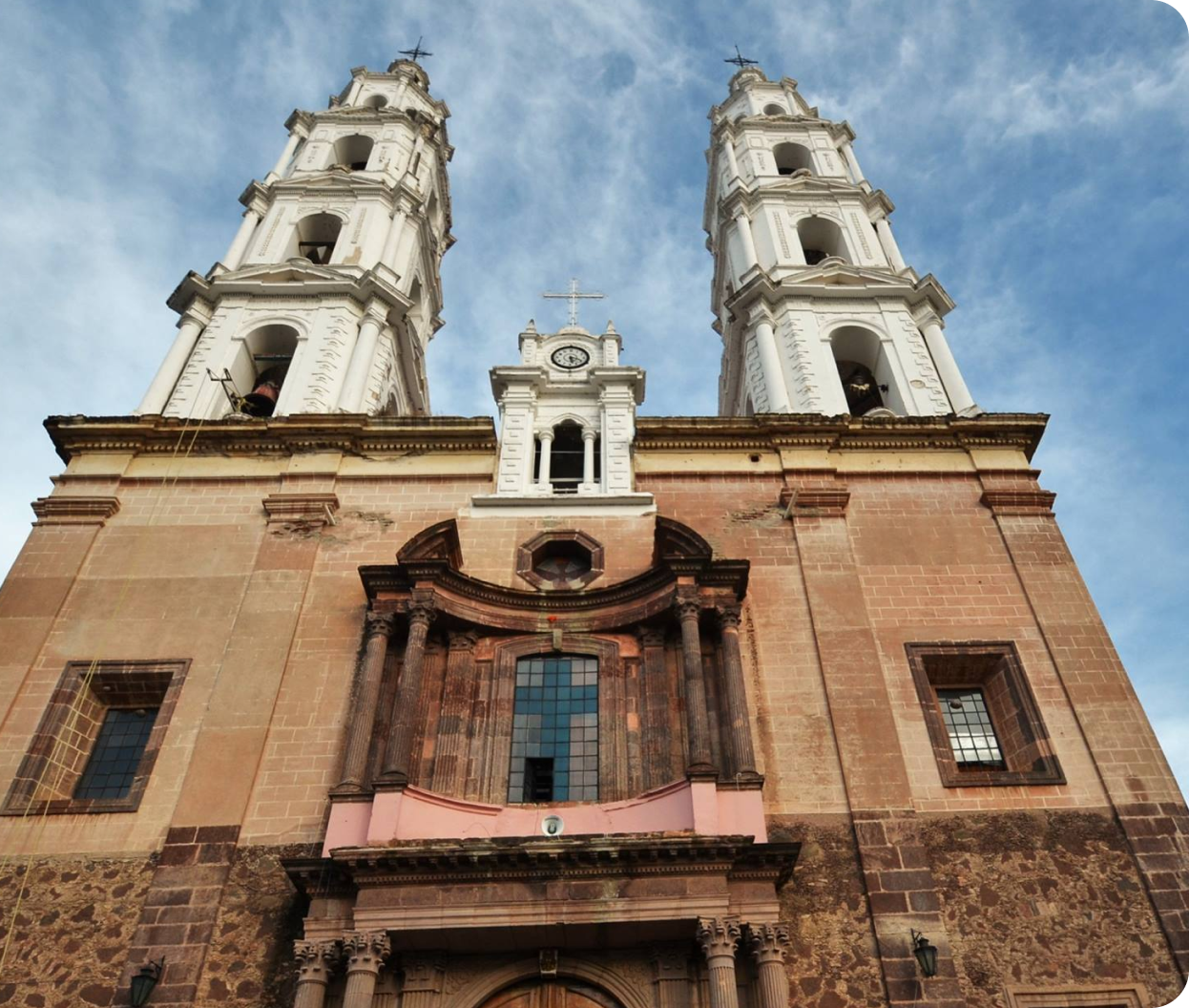
San Pedro Tesistán is a serene town located on the southwest shore of Lake Chapala. The town is named after Saint Peter, its patron saint, with “Tesistán” deriving from the Nahuatl words “tetl” (stone) and “zistli” (place), meaning “place of the stones.” This reflects the town’s indigenous roots and its rocky terrain. Historically, San Pedro Tesistán was a small indigenous settlement that evolved during the Spanish colonial period, retaining much of its traditional charm. The town has a small population, estimated at around 1,000 residents, who enjoy a peaceful lifestyle. Activities in San Pedro Tesistán include exploring the picturesque lakeside, hiking in the surrounding hills, and participating in local festivals, particularly the annual feast of Saint Peter.
San Cristóbal Zapotitlán
San Cristóbal Zapotitlán is another quaint town named after its patron saint, Saint Christopher, with “Zapotitlán” derived from the Nahuatl word “tzapotl” (sapote tree) and “tlan” (place), meaning “place of the sapote trees.” This name highlights the town’s historical abundance of sapote trees. The town’s history dates back to pre-Hispanic times, and it developed further under Spanish rule. San Cristóbal Zapotitlán has a population of around 1,500 people. Visitors to the town can enjoy walking along the scenic lake shore, visiting local farms, and exploring the traditional markets. The annual celebration of Saint Christopher features religious processions, music, and traditional dances, offering a glimpse into the town’s vibrant culture.
San Luis Soyatlán
San Luis Soyatlán, named after Saint Louis, is a charming town where “Soyatlán” comes fromtheNahuatl words “soyatl” (willow) and “tlan” (place), meaning “place of the willows.” Thetown’s history is deeply rooted in its pre-Hispanic origins, and it flourished during the colonialera as a center of agriculture. San Luis Soyatlán has a population ofapproximately 4,000residents. The town is known for its beautiful lakeside views, making it a popular spot forfishing, boating, and picnicking. The vibrant local festivals, particularly the feast day of SaintLouis, showcase traditional music, dances, and delicious local cuisine.
Tuxcueca
Tuxcueca is a small town with a name derived from the Nahuatl words “tocitl” (willow) and “cuecueyotl” (crickets), meaning “place of the willows and crickets.” This name reflects the town’s natural environment. Historically, Tuxcueca was an indigenous settlement that grew during the Spanish colonial period. Today, it has a population of around 2,500 people. Tuxcueca offers visitors activities such as exploring the lakeside, enjoying local seafood, and hiking in the nearby hills. The town is also known for its local festivals, which celebrate its cultural heritage with music, dance, and traditional crafts.
Mismaloya
Mismaloya, whose name means “place where water enters” in Nahuatl, is a peaceful town situated on the southwestern shore of Lake Chapala. The town’s history is rooted in its indigenous past, and it has remained a small and tranquil community throughout the centuries. With a population of around 1,000 residents, Mismaloya is ideal for those seeking a quiet retreat. Activities in Mismaloya include bird watching, lakeside walks, and enjoying the natural beauty of the area. The town also hosts local festivals that feature traditional music, dance, and regional cuisine, reflecting its rich cultural heritage.
Tizapán El Alto
Tizapán El Alto, meaning “place of the chalk” in Nahuatl, is a historic town with a rich cultural background. The town developed significantly during the Spanish colonial period and has grown into a vibrant community with a population of approximately 20,000 residents. Tizapán El Alto offers a variety of activities, including visiting historical sites, exploring local markets, and enjoying recreational activities by the lake. The town is known for its lively festivals, particularly the annual celebration of Saint Francis of Assisi, which includes religious processions, traditional dances, and local culinary delights. The town’s proximity to the mountains also offers opportunities for hiking and nature excursions.
Each of these towns on the southwest shore of Lake Chapala provides a unique blend of historical charm, natural beauty, and cultural richness, making them intriguing destinations for visitors seeking an authentic Mexican experience.