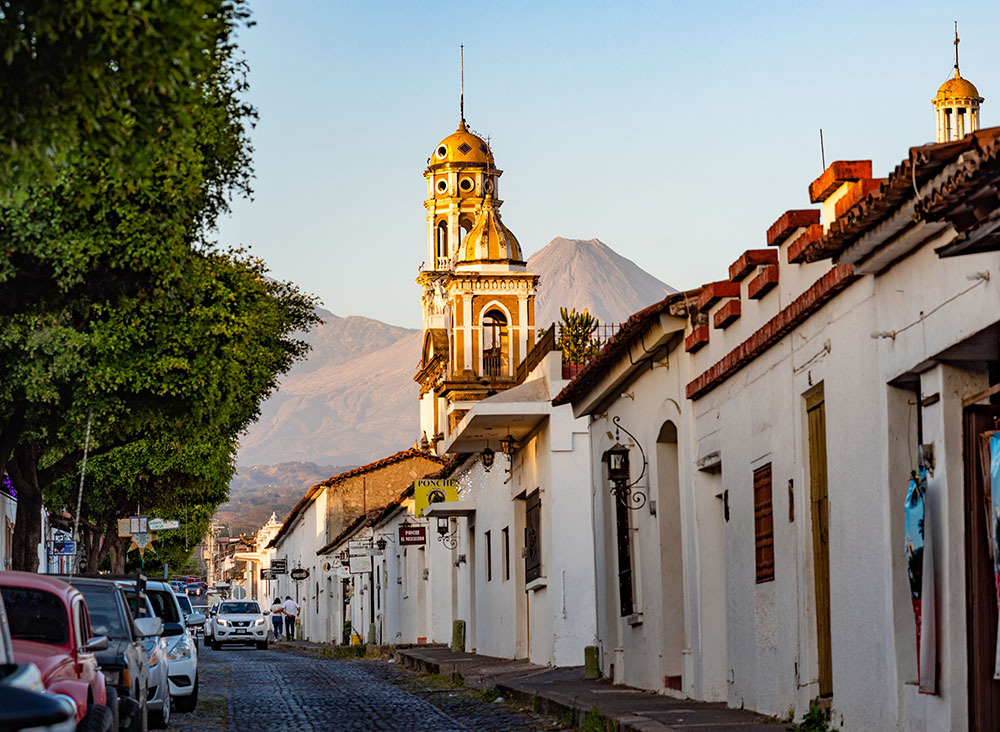
Both Jalisco and Colima offer diverse experiences beyond their well-known tourist hubs, providing travelers with opportunities to explore Mexico’s cultural heritage, natural landscapes, and authentic local traditions. These areas are all within less than two areas driving time from Lake Chapala.
Tequila, Jalisco
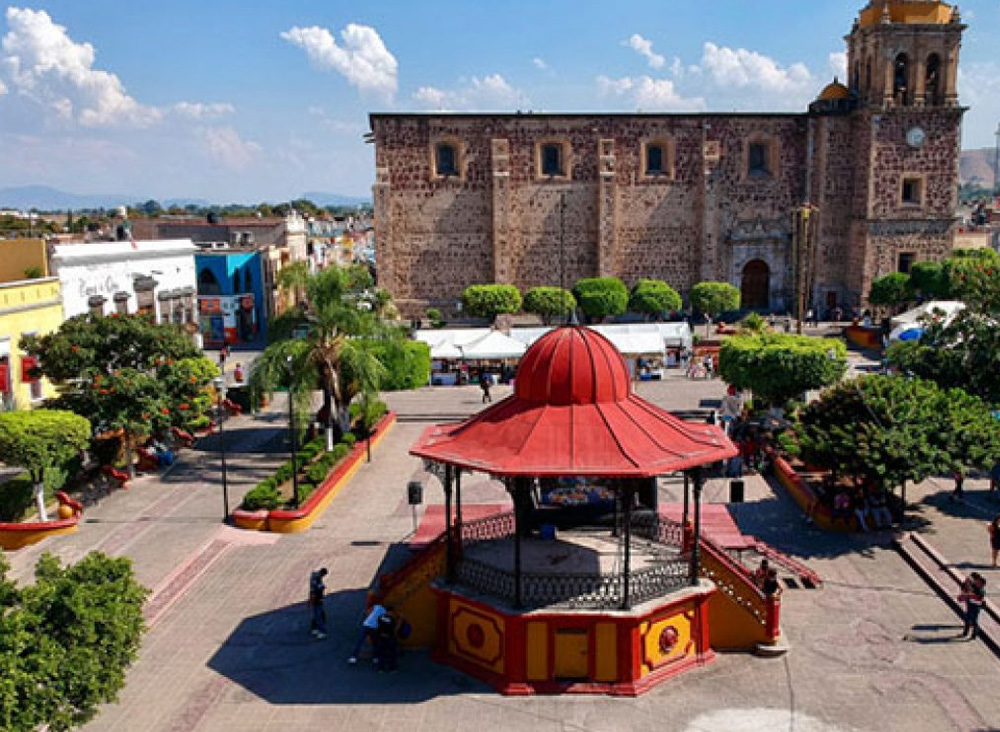
Tequila, named after the iconic distilled spirit made from blue agave, is renowned worldwide. It is nestled in the heart of the Tequila Valley and has been recognized as a UNESCO World Heritage site for its cultural significance. With a population of around 50,000 people, Tequila offers visitors tours of prestigious distilleries like Jose Cuervo and Herradura, where they can learn about the tequila-making process. Activities include visiting the National Museum of Tequila, exploring the town’s colonial architecture, and enjoying tequila tastings. The landscape surrounding Tequila is characterized by vast agave fields and scenic views of the Tequila Volcano.
Magdalena, Jalisco
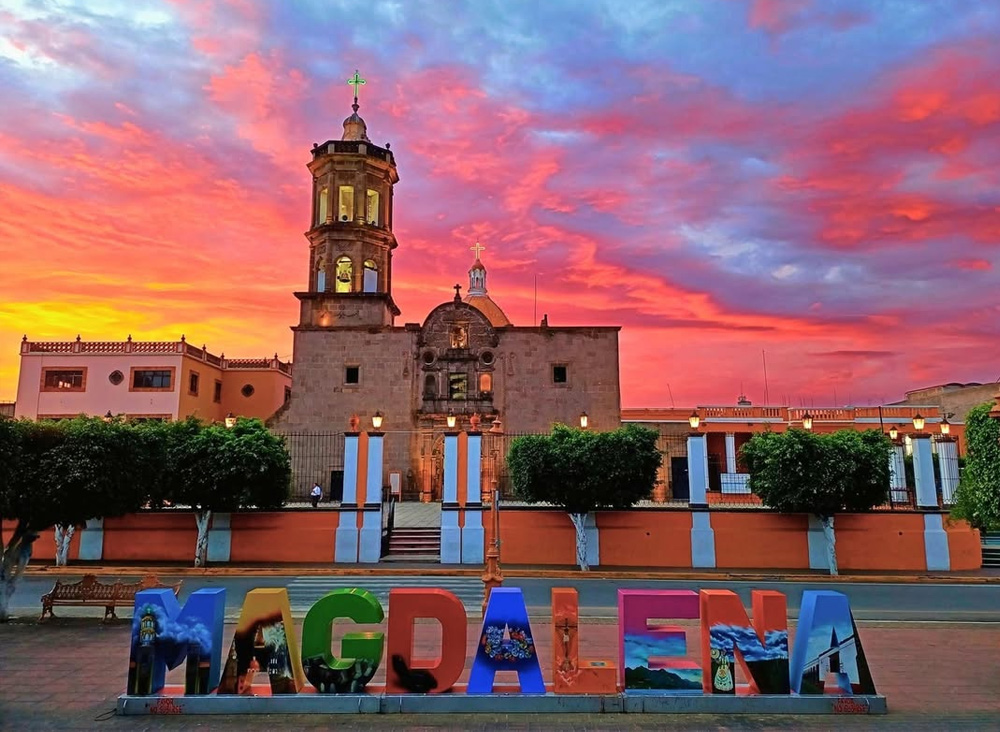
Magdalena is a charming town with a population of approximately 10,000 residents. Its name pays homage to Saint Mary Magdalene, reflecting its colonial-era origins. Magdalena is known for its traditional Mexican architecture, cobbled streets, and vibrant cultural scene. Activities in Magdalena include visiting the Parish Church of Saint Mary Magdalene, exploring local artisan workshops, and participating in cultural festivals such as the Feast of Saint Mary Magdalene. The town offers a glimpse into rural Mexican life and is surrounded by picturesque countryside ideal for hiking and nature walks.
Tapalpa, Jalisco
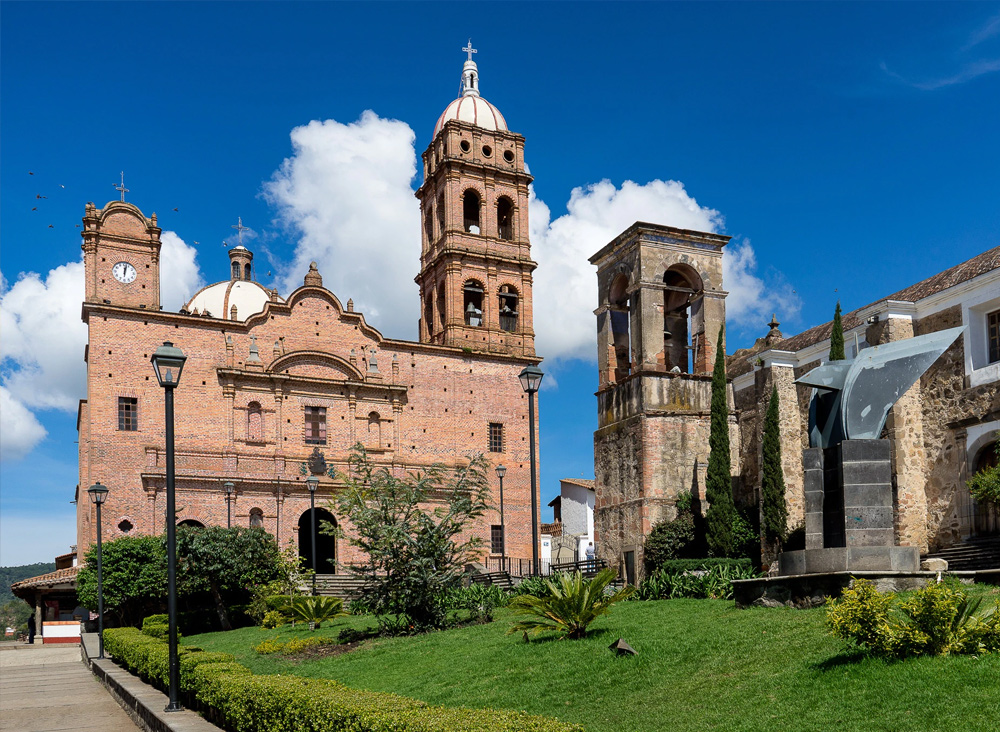
Tapalpa, meaning “place of colored stones” in Nahuatl, is a picturesque mountain town known for its colonial charm and natural beauty. With a population of around 20,000 people, Tapalpa offers visitors a tranquil retreat with cobblestone streets, red-tiled roofs, and historical landmarks like the Parish of San Antonio. Activities in Tapalpa include hiking in the surrounding Sierra Madre Occidental mountains, visiting La Ceja Ecological Park, and exploring the town’s artisan shops known for pottery and woodcrafts. Tapalpa is famous for its hospitality, local cuisine, and vibrant festivals such as the Festival de las Almas.
Mazamitla, Jalisco
Mazamitla, meaning “place where arrows are made” in Nahuatl, is often referred to as the “Switzerland of Mexico” due to its alpine architecture and pine forests. With a population of approximately 12,000 residents, Mazamitla offers visitors a charming escape with cobblestone streets, cozy cabins, and stunning viewpoints like the Mirador Cruz de la Misión. Activities in Mazamitla include horseback riding, zip-lining at the El Salto Waterfall, and exploring the Los Cazos Ecotourism Park. The town is famous for its foggy mornings, traditional festivals such as the National Forest Festival, and local specialties like trout dishes.
Colima, Colima
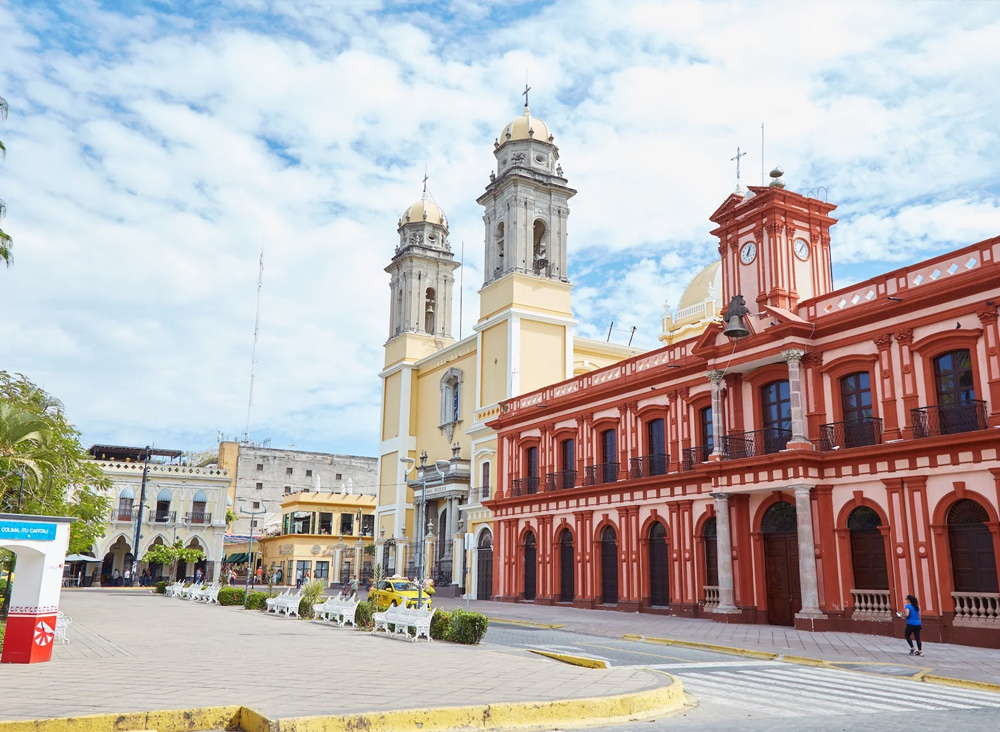
Colima City, the capital of the state of Colima, has a population of around 160,000 people. Its name originates from the Nahuatl word “Coliman,” meaning “place where the god Coliman dwells.” Founded in 1523, Colima City is one of the oldest cities in Mexico with a rich cultural heritage. Activities in Colima include visiting the Regional History Museum, exploring the Government Palace, and admiring the Colima Cathedral. The city is famous for its pre-Hispanic ruins at La Campana and El Chanal, as well as its annual Fiestas de la Cosecha celebrating the region’s agricultural traditions.
Comala, Colima
Comala, known as the “White Village of America,” is a tranquil town with a population of approximately 20,000 residents. Its name comes from the Nahuatl word “Comalli,” meaning “place of the comales” or griddles used for making tortillas. Comala is famous for its whitewashed buildings, red-tiled roofs, and cobblestone streets lined with bougainvillea. Activities in Comala include visiting the Parroquia de San Miguel Arcángel, exploring the Hacienda de Nogueras Cultural Center, and hiking in the nearby Volcano of Fire National Park. The town is renowned for its local cuisine, especially dishes like pozole and tatemado, and its traditional coffee plantations.