The Zona Metropolitana de Guadalajara, also known as the Guadalajara Metropolitan Area, is the second most populous metropolitan area in Mexico, after Mexico City. It encompasses several municipalities in the state of Jalisco, with Guadalajara as its core city. The total population of the metropolitan area is over 5 million people, making it a vibrant and dynamic urban center in western Mexico.
Guadalajara
Guadalajara, the capital city of Jalisco, derives its name from Arabic roots meaning “Valley of Stones.” Founded in 1542, Guadalajara has a rich history as a colonial city and is known for its cultural heritage, including mariachi music and tequila production. With a population exceeding 1.5 million, Guadalajara is a bustling metropolis offering diverse activities such as visiting historical sites like the Hospicio Cabañas and the Cathedral, exploring museums like the Instituto Cultural Cabañas, and enjoying traditional markets like Mercado Libertad (San Juan de Dios). The city is famous for its vibrant nightlife, culinary scene featuring birria and tortas ahogadas, and shopping districts like Plaza del Sol and Andares. Extracurricular activities include attending concerts at Auditorio Telmex, exploring the nearby Barranca de Huentitán for outdoor adventures, and participating in local festivals such as the International Mariachi Festival.
Zapopan
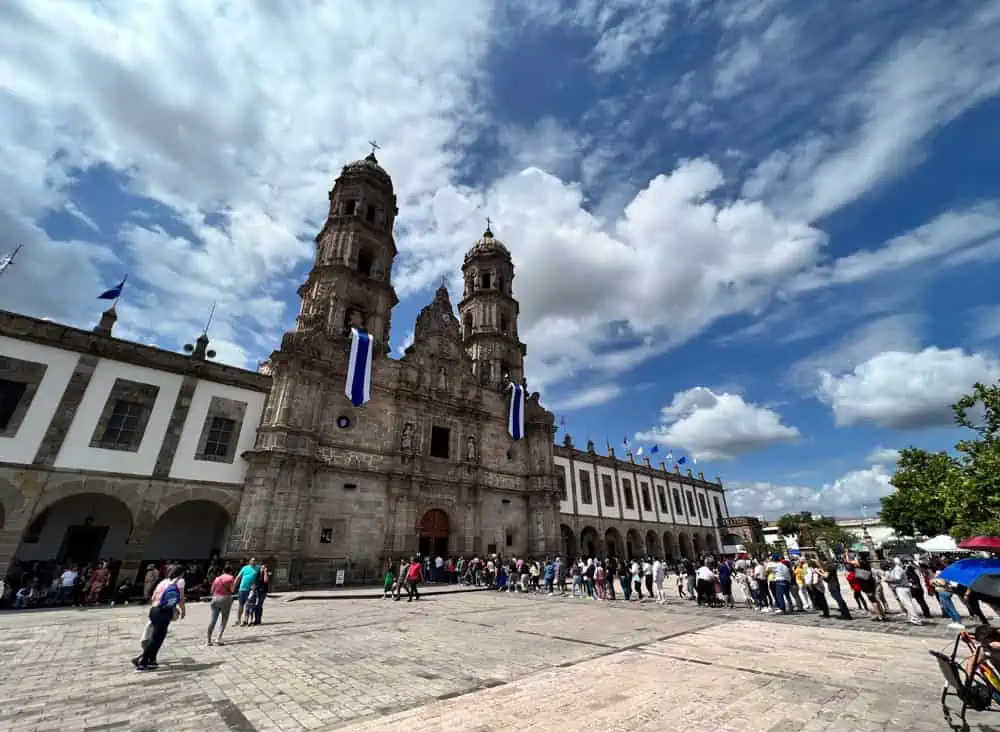
Zapopan, meaning “place of sapote trees” in Nahuatl, is known for its religious significance as home to the Basilica of Our Lady of Zapopan, a revered pilgrimage site. It was officially established in 1541 and has grown into a city of around 1.4 million people. Activities in Zapopan include visiting cultural attractions such as the Huichol Art Museum and enjoying outdoor spaces like Bosque Los Colomos and the Primavera Forest. Zapopan is famous for its lively town center, Plaza de las Américas, and upscale shopping malls like Plaza Andares. Extracurricular activities include attending events at the Estadio Akron for sports enthusiasts and exploring traditional markets like Mercado del Mar.
Tlaquepaque
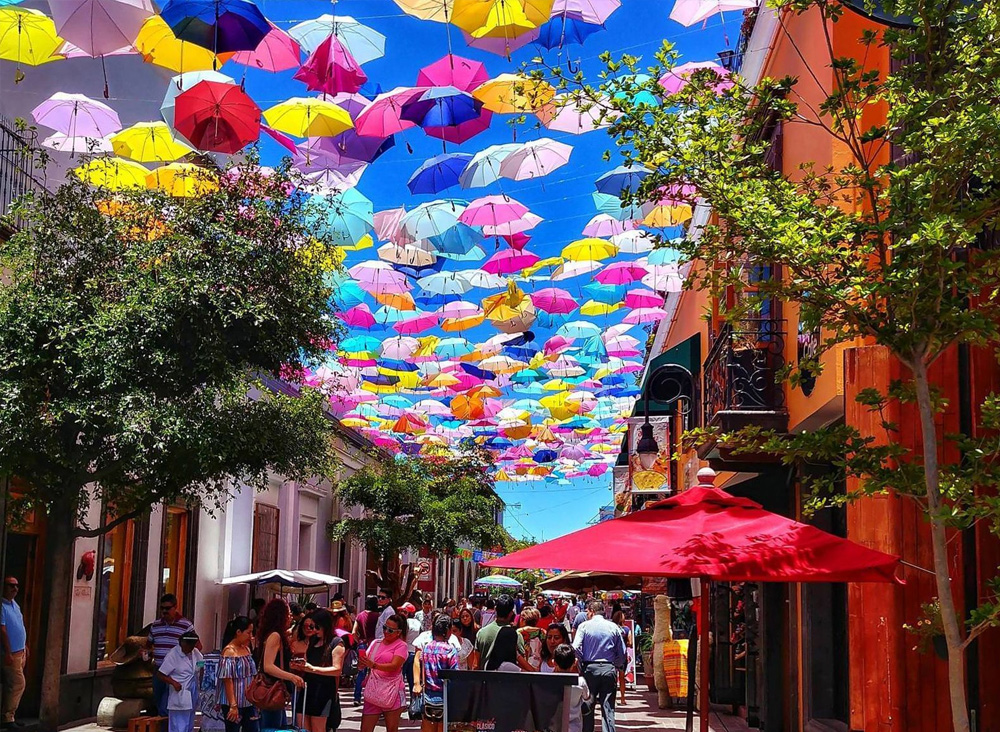
Tlaquepaque, meaning “place above clay hills” in Nahuatl, is renowned for its arts and crafts. Established in 1530, it has a population of approximately 650,000 people. Activities in Tlaquepaque include visiting art galleries such as the Regional Ceramic Museum and experiencing the vibrant atmosphere of El Parián market. Tlaquepaque is famous for its intricate pottery, blown glass, and mariachi music. It offers shopping at El Refugio and Plaza Forum Tlaquepaque. Extracurricular activities include attending the San Pedro and San Andrés festivals, exploring local cuisine at restaurants like El Patio, and visiting the lively Independencia Avenue for nightlife.
Tonalá
Tonala, meaning “where sun rises” in Nahuatl, is known for its crafts and ceramics. Founded in 1530, it has a population of around 620,000 people. Activities in Tonala include visiting the Tonala Craft Market and exploring the Santa Cruz de las Huertas Church. Tonala is famous for its pottery and furniture, providing shopping at markets like the Tonala Artisans Market. Extracurricular activities include attending the Virgin of Carmen festival, exploring the local cuisine at restaurants like La Fonda de la Noche, and participating in events at the Cultural Center.
Tlajomulco de Zúñiga
Tlajomulco de Zúñiga, named after its founder, is a rapidly growing municipality with a population of over 600,000 people. Activities in Tlajomulco include visiting the El Salto Waterfall and exploring the Santa Maria de Gracia Church. Tlajomulco is famous for its agricultural production and provides shopping at the Galerías Santa Anita Shopping Center. Extracurricular activities include attending the Virgin of Guadalupe festival, exploring local cuisine at restaurants like El Rincón de las Carretas, and participating in events at the Auditorio de la Ribera.
El Salto
El Salto, meaning “the jump” in Spanish, is known for its industrial development and commercial activity. Established in 1650, it has a population of approximately 200,000 people. Activities in El Salto include visiting the El Salto Waterfall and exploring the Santiago Apóstol Parish. El Salto is famous for its industrial zones and provides shopping at the Plaza Punto Sur Shopping Center. Extracurricular activities include attending the El Salto Fair, exploring local cuisine at restaurants like El Costeñito, and participating in events at the El Salto Sports Unit.
These cities within the Guadalajara Metropolitan Area offer a diverse range of cultural, historical, recreational, and shopping activities, making it a vibrant and attractive region for residents and visitors alike in western Mexico.
Here's a list of some of the popular residential subdivisions in Guadalajara, Mexico: