LAKE CHAPALA
Chapala
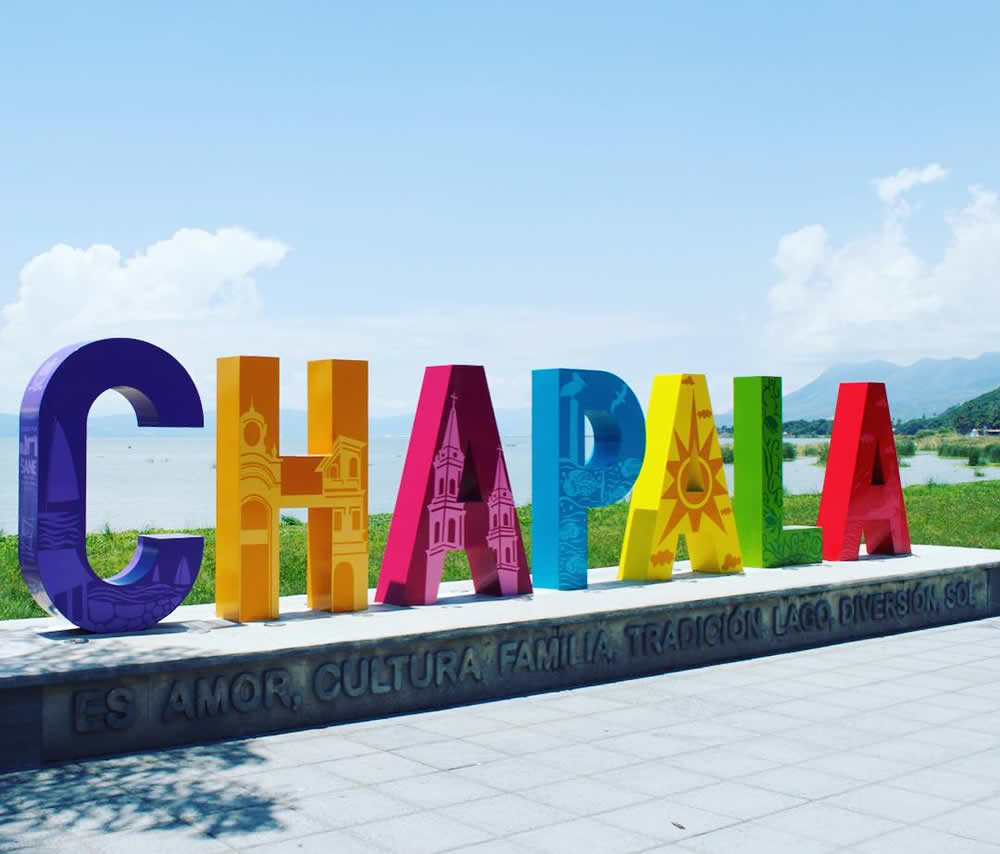
Chapala is a vibrant town located in the state of Jalisco, Mexico, on the northern shore of Lake Chapala, the largest freshwater lake in the country. The name Chapala is believed to have originated from the Nahuatl word “Chapalac,” which means “place of the small pots” or “place of the grasshoppers.” This name reflects the region’s indigenous roots and its natural environment, which has always been central to the town’s identity and economy.
The history of Chapala dates back to pre-Hispanic times when it was inhabited by the Coca people. The Spanish conquest in the 16th century brought significant changes, including the establishment of Catholicism, as evidenced by the town’s historical churches and religious traditions. Throughout its history, Chapala has grown from a small indigenous settlement into a bustling town, particularly during the Porfirio Díaz era in the late 19th and early 20th centuries, when it became a popular retreat for wealthy Mexicans and foreigners. The construction of the railway in the early 20th century further boosted its development, making it more accessible and fostering its reputation as a prime tourist destination.

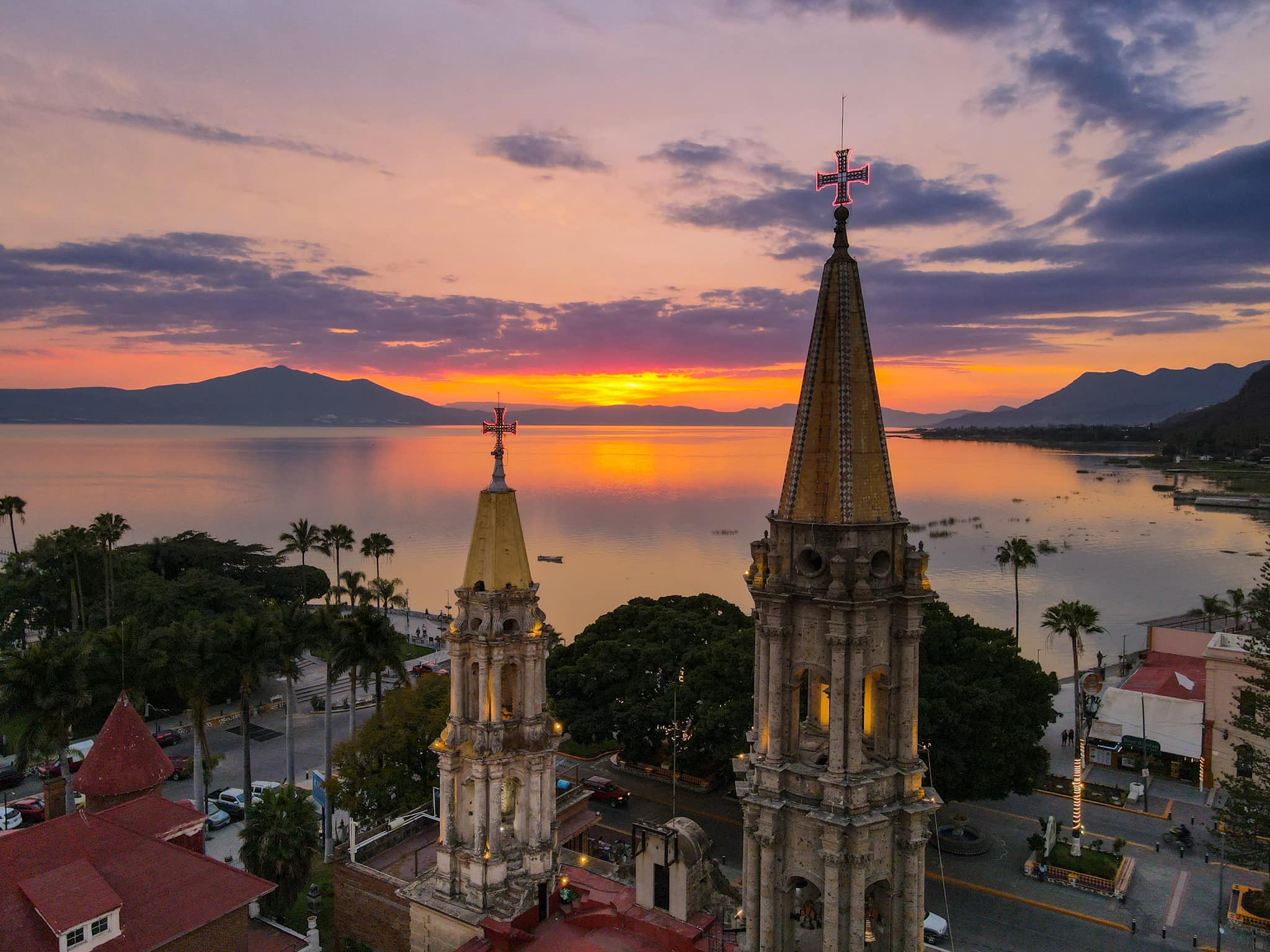

Chapala is situated at an elevation of approximately 1,524 meters (5,000 feet) above sea level. This elevation, combined with its proximity to Lake Chapala, provides the town with a mild and pleasant climate, characterized by warm summers and mild winters. The natural beauty of the lake and the surrounding Sierra de San Juan Cosalá mountains make Chapala a scenic and attractive location, enhancing its appeal as a tourist destination and a desirable place to live.
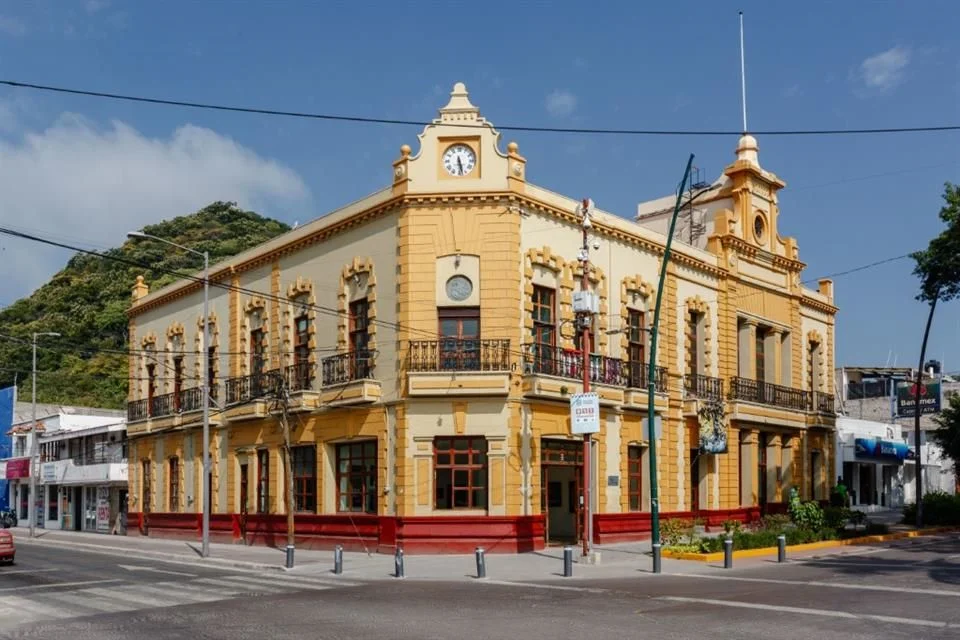
As the municipal seat of the Chapala Municipality, the town of Chapala plays a central role in the administration and governance of the surrounding region. It is the largest town in the municipality and serves as the political, economic, and cultural hub. The municipal government, located in the town, provides essential services and infrastructure to the residents of both Chapala and the smaller communities within the municipality. This status as a municipal seat underscores Chapala’s importance in the region and its influence on local development and planning.
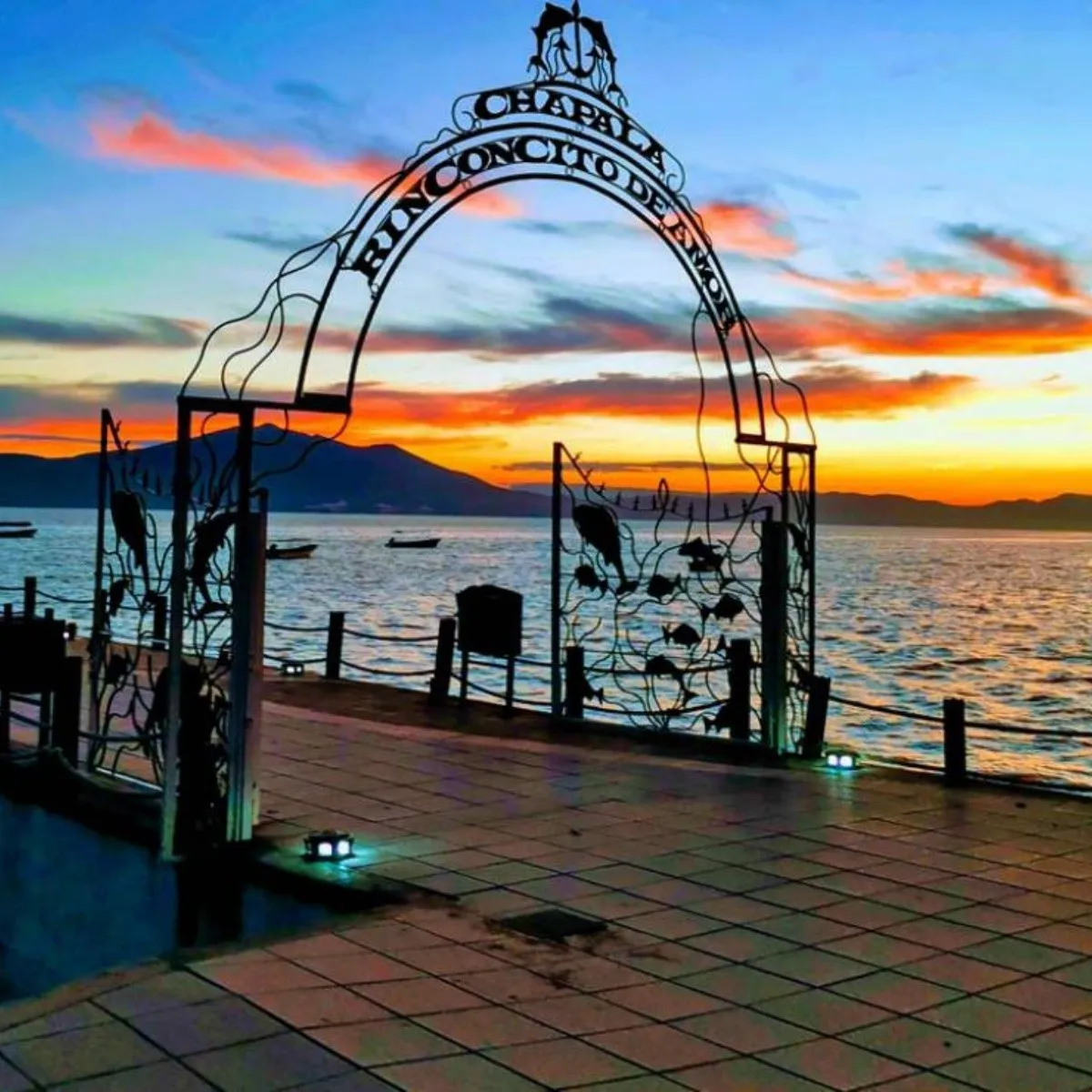
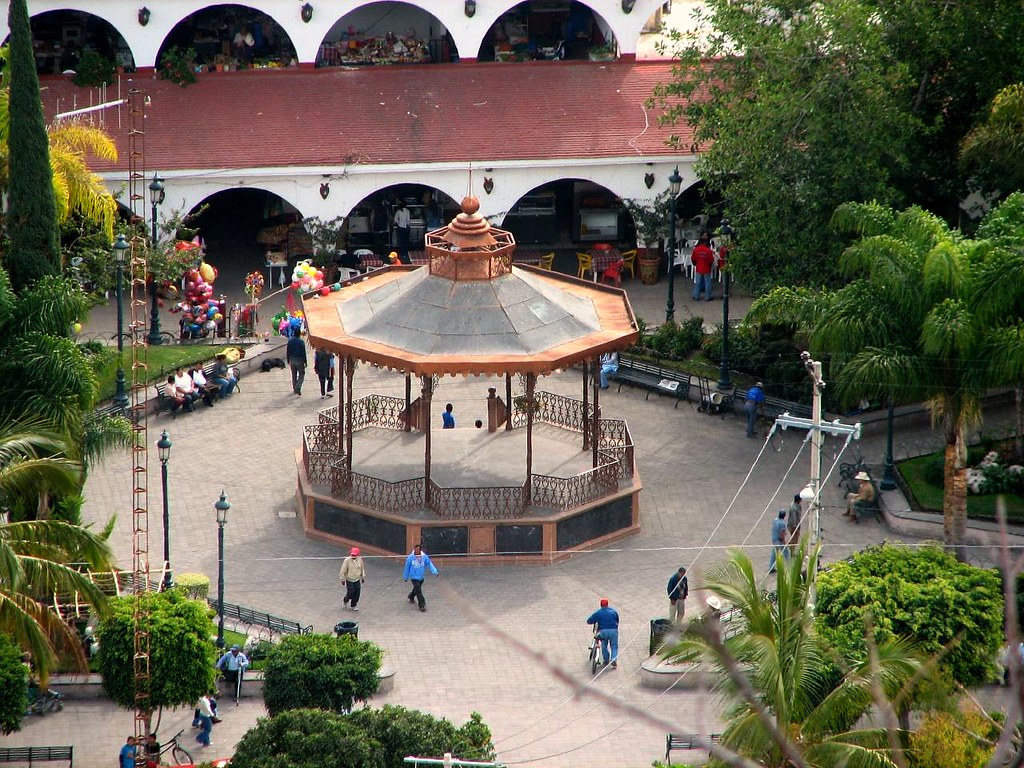
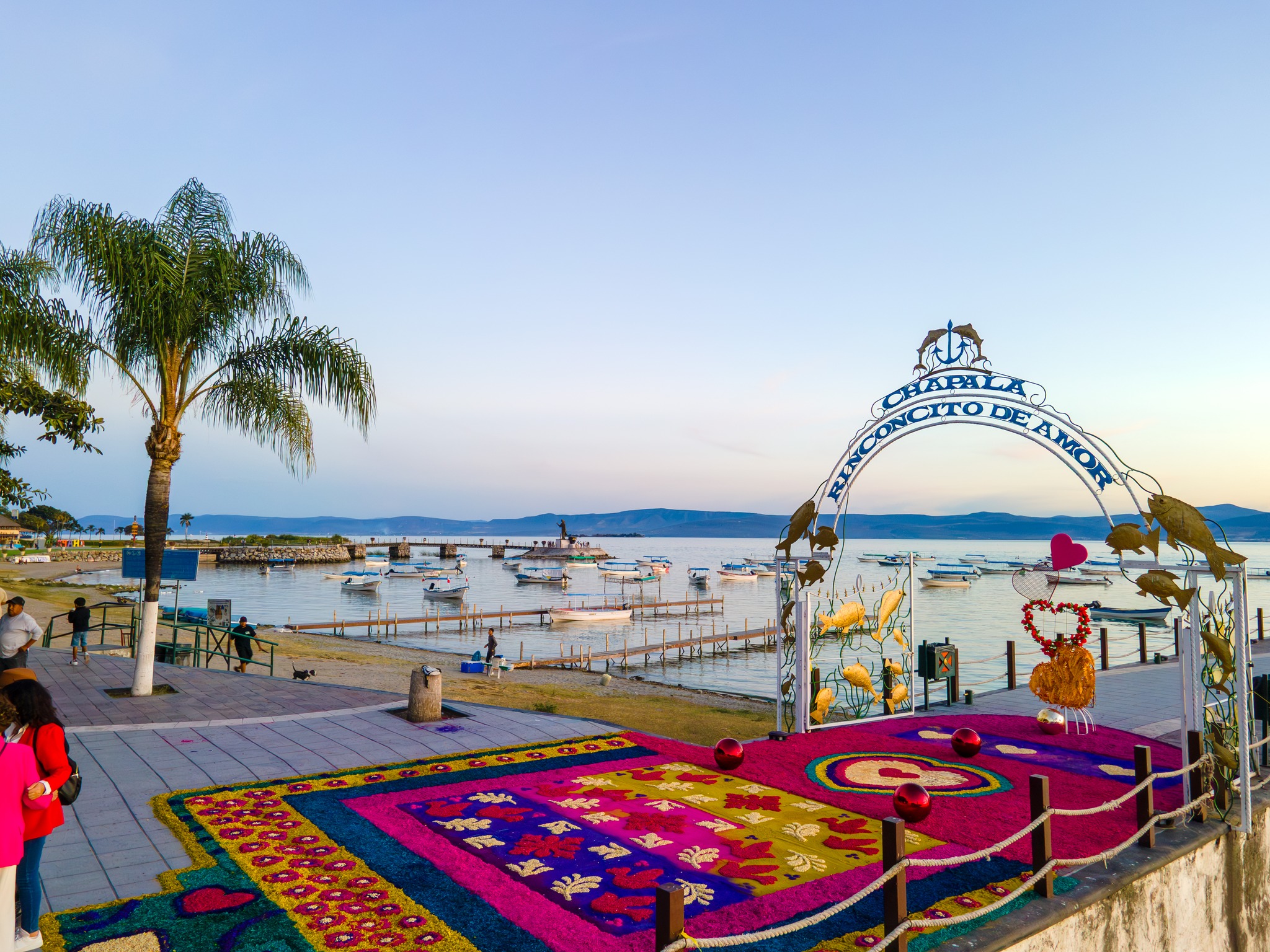
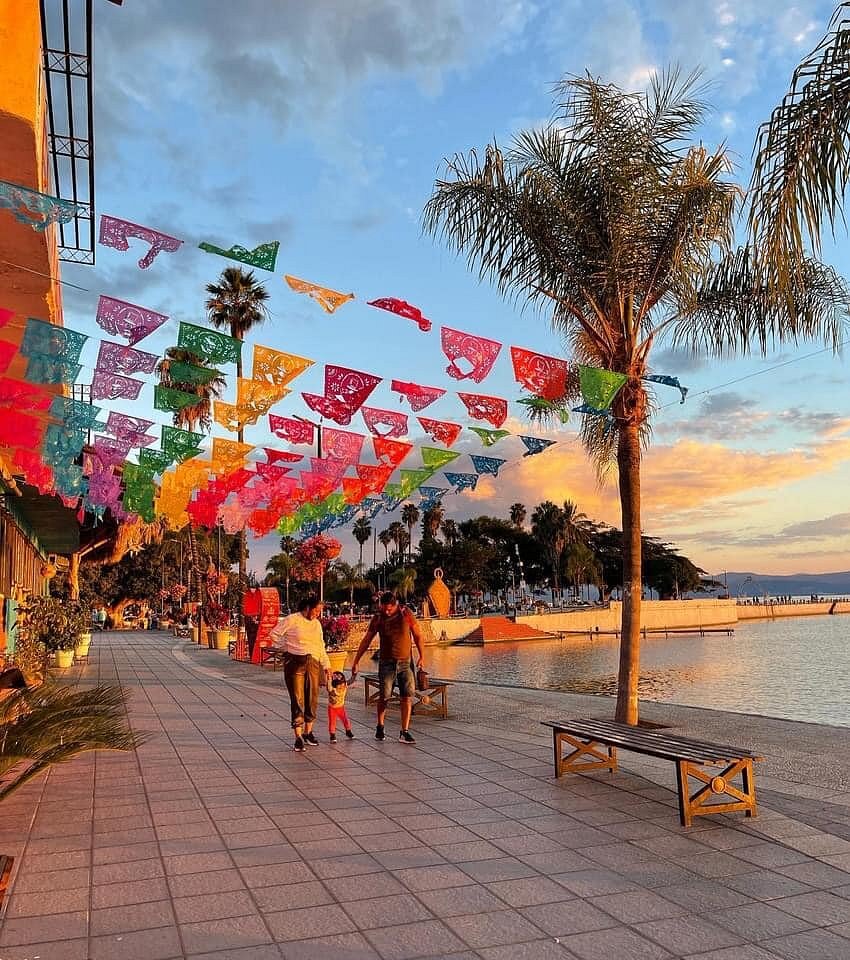
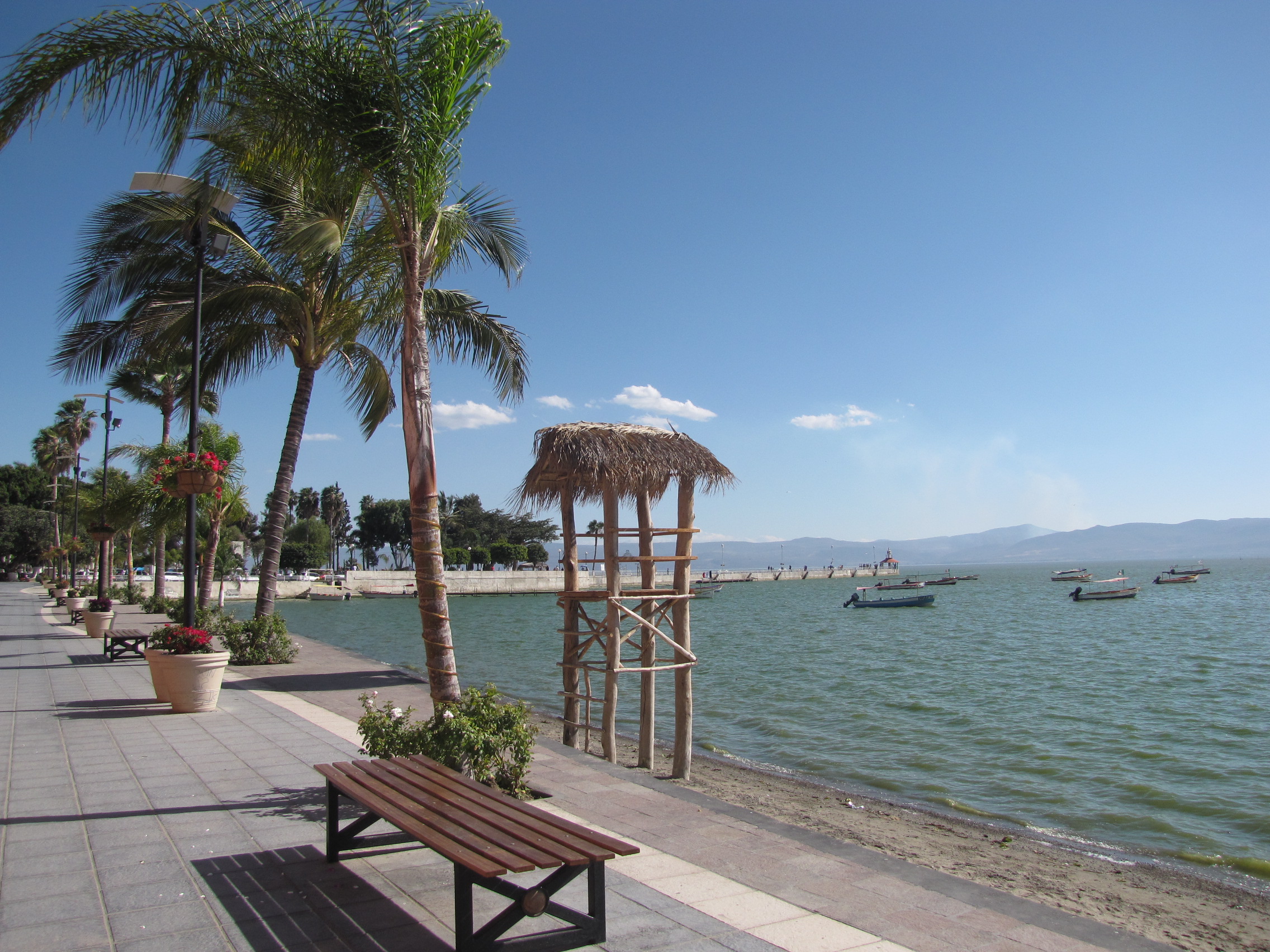
Tourism is a significant aspect of Chapala’s economy and cultural life. The town’s picturesque lakeside setting, historic architecture, and vibrant cultural scene attract visitors from around the world. The Malecon, a beautiful lakeside promenade, is a focal point for tourists, offering stunning views of the lake, local art, and numerous dining options. Chapala also hosts several annual festivals, such as the Chapala Carnival and the Feast of Saint Francis of Assisi, which showcase local traditions, music, dance, and cuisine. These events draw large crowds and contribute to the town’s lively atmosphere.
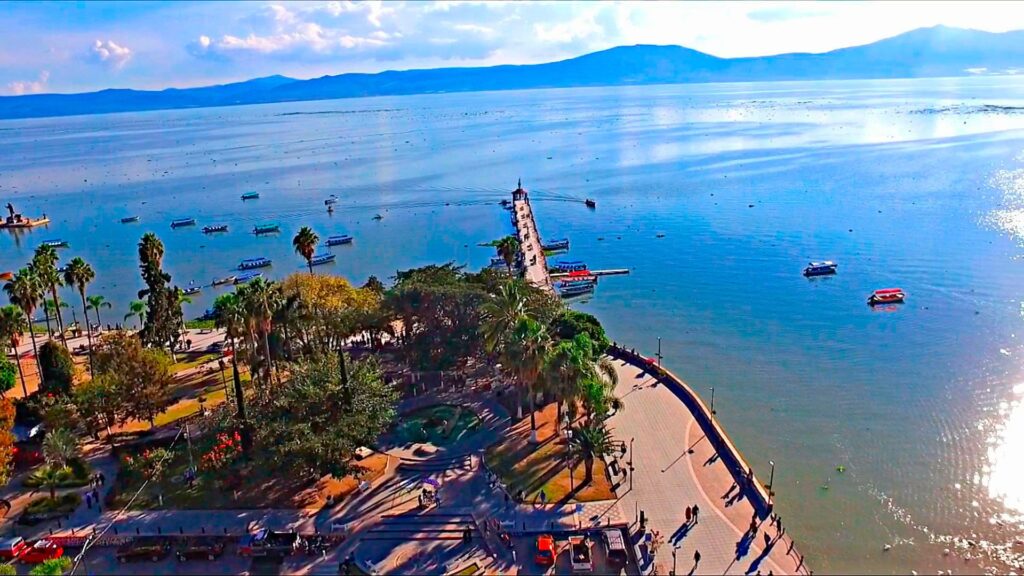
In summary, Chapala is a town that beautifully blends its historical heritage with modern appeal. Its name reflects its indigenous roots and natural surroundings, while its history tells a story of cultural evolution and development. As the municipal seat, Chapala plays a crucial role in the administration of the region, and its significance is further enhanced by its status as a major tourist destination. With its scenic beauty, mild climate, and vibrant cultural life, Chapala offers a unique and inviting experience, making it a cherished place for residents and visitors alike.

The Neighborhoods and Subdivisions in Chapala:
-
Barrio Lourdes
-
Brisas de Chapala
-
Chapala
-
Chapala Haciendas
-
El Manglar
-
Habitat La Estación
-
Hacienda La Labor
-
Las Redes
-
Lomas del Manglar
-
Nuevo Chapala
-
Punto Niza
-
Rancho Santa Monica
-
Riberas del Pilar
-
Villa Alta
-
Villa Las Pérgolas
-
Villas Santa Paula